
 By admin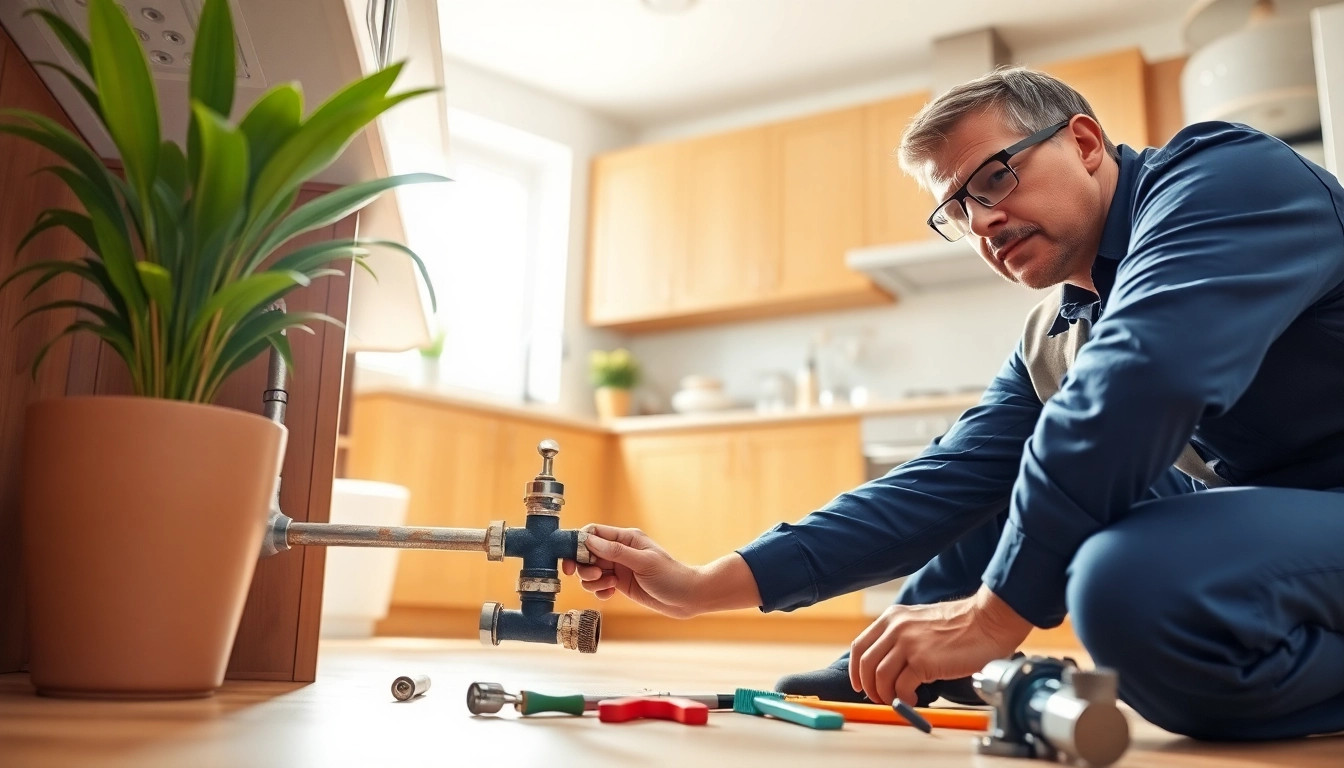
Understanding the Role of a Plumber Near Me
A plumber plays a critical role in ensuring the functionality and safety of your home’s plumbing systems. The demand for skilled plumbing services has grown significantly, making it essential for homeowners to understand the various services offered by local plumbers. For those asking, “Where can I find a Plumber near me?” this section provides an overview of their roles and responsibilities.
What Services Do Plumbers Offer?
Plumbers offer a suite of services that cater to residential and commercial needs. The common services provided include:
- Emergency Plumbing: Handling urgent situations such as burst pipes, overflowing toilets, and severe leaks.
- Installations: Setting up plumbing fixtures like sinks, faucets, toilets, and dishwashers.
- Repairs: Fixing damaged pipes, fixtures, and appliances to ensure they function correctly.
- Maintenance: Routine inspections and upkeep to prevent future plumbing issues, saving homeowners from costly repairs.
- Drain Cleaning: Clearing clogs and blockages in the drains to prevent backups and associated problems.
- Water Heater Services: Installing, repairing, and maintaining water heaters to ensure efficient and reliable hot water availability.
Importance of Local Plumbers
Choosing a local plumber offers several advantages. Distance is minimized, ensuring quicker response times in emergencies. Local plumbers are familiar with the plumbing codes and regulations specific to your area, making their services compliant and reliable. Moreover, supporting local businesses fosters community resilience and helps stimulate the local economy.
When to Call a Plumber Near Me?
Recognizing when to call in a professional can save time and prevent extensive damage. Common scenarios include:
- When you experience slow drainage or frequent clogs that cannot be addressed with home remedies.
- If you notice unexpected water damage or leaks in your walls, ceilings, or floors.
- When a plumbing fixture shows signs of rust, corrosion, or frequent failures.
- If you need to remodel your kitchen or bathroom, requiring installation of new fixtures and appliances.
- When you want to upgrade your plumbing systems for better efficiency, such as installing a tankless water heater.
How to Find a Trusted Plumber Near Me
Finding a trusted plumber can feel overwhelming, but a systematic approach can help identify the best service providers available. Below are key strategies that can be beneficial in your search.
Utilizing Online Directories and Reviews
Online platforms like Google Reviews, Yelp, and Angie’s List provide valuable insights into plumbing services in your area. Reading customer reviews and ratings can help gauge the quality and reliability of a plumber. Pay attention to patterns in reviews, such as consistently mentioned strengths or weaknesses; this can aid in making a well-informed decision.
Networking for Recommendations
Word-of-mouth referrals from family, friends, or neighbors can be an excellent resource. Personal experiences often shed light on the plumber’s work quality, professionalism, and pricing. Additionally, consider asking contractors or real estate professionals for recommendations, as they usually have established relationships with reliable plumbers.
Evaluating Qualifications and Experience
Ensure that any plumber you consider is licensed, insured, and bonded, protecting you from potential liabilities. Look into their experience, specifically in the type of plumbing service you require. A plumber’s credentials and relevant certifications further validate their expertise and skills in the field.
Comparing Costs: Affordable Plumber Near Me
Understanding plumbing costs can help budget for services and avoid surprises. Here’s a breakdown to consider when looking for affordable plumbing options.
Understanding Pricing Models
Plumbers may charge in various ways, including flat rates, hourly rates, or per-project fees. Understanding these models allows you to make an informed choice. For instance, a flat rate ensures the scope is clearly defined, while hourly rates may lead to varying costs based on the time taken to complete the job.
How to Request Estimates
When seeking plumbing services, always obtain multiple estimates. A reputable plumber should provide a written estimate detailing the scope of work and associated costs. This practice not only aids in comparison but ensures transparency. When reviewing estimates, ask for clarification on any elements that are unclear or seem unusually high.
Common Costs Associated with Plumbing Services
Understanding the typical costs can help manage expectations. Some common plumbing services and their average costs include:
- Emergency call-out charges: $50 – $150.
- Drain cleaning: $100 – $300.
- Water heater installation: $800 – $1,500.
- Leak repairs: $150 – $350 depending on severity.
Note that these prices can vary regionally and based on the complexity of the job.
Preparing for a Visit from a Plumber Near Me
Preparation can significantly enhance the efficiency of a plumber’s visit. Here are steps to take before their arrival.
What to Expect During the Service
When a plumber arrives, they will typically start with an assessment of the situation. Expect them to ask questions regarding the plumbing issue, potential causes, and any previous repairs. They will then outline their intended approach and provide you with an explanation of the work involved.
Questions to Ask Your Plumber
Asking the right questions can clarify the service process and outcomes. Consider asking:
- What is the estimated timeline for the repairs?
- What are the costs involved, and are there any potential additional charges?
- Can I see references from previous clients?
- What warranties or guarantees do you offer on services?
- How can this issue be prevented in the future?
How to Prepare Your Home
Preparatory steps can facilitate a smoother service experience. Clear the work area around the plumbing fixture and ensure easy access for the plumber. If necessary, turn off the water supply in preparation for repairs to minimize mess and disruption during their work.
Maintenance Tips from a Plumber Near Me
Regular maintenance can prevent the majority of plumbing issues. Here are some essential tips and practices.
Routine Checks to Avoid Emergencies
Performing seasonal checks can identify potential issues before they become emergencies. Look for signs of leaks under sinks, check the function of faucets, and inspect toilets for any irregularities. Keeping an eye on your water bill for sudden spikes can also indicate unnoticed leaks.
Simple DIY Repairs You Can Tackle
There are several minor plumbing repairs that a homeowner can address with a bit of knowledge and some tools. For example, unclogging drains with a plunger, replacing washers in faucets, and tightening loose fittings can save on service costs while empowering you with hands-on experience.
When to Schedule Regular Professional Inspections
Scheduling annual inspections can catch problems early, often preventing larger repairs down the line. Consider hiring a plumber for inspections of your lines, water heaters, and sewage systems at least once a year, particularly if your home is older or you notice recurring issues.
FAQs
What should I do if I have a plumbing emergency?
Shut off the main water supply to minimize damage and call a local plumber immediately for assistance.
How can I prevent clogs in my drains?
Use drain screens, avoid putting grease down the sink, and periodically flush with hot water or vinegar and baking soda to keep drains clear.
Do I need to be home during plumbing repairs?
While not always necessary, it’s advisable to be present to answer questions and ensure access to work areas.
What are common signs of plumbing issues?
Look for slow drainage, unusual noises from pipes, musty odors, and unexpected increases in your water bill.
Is it better to repair or replace plumbing fixtures?
It often depends on age and condition; if a fixture requires frequent repairs, replacement may be more cost-effective long-term.