
 By admin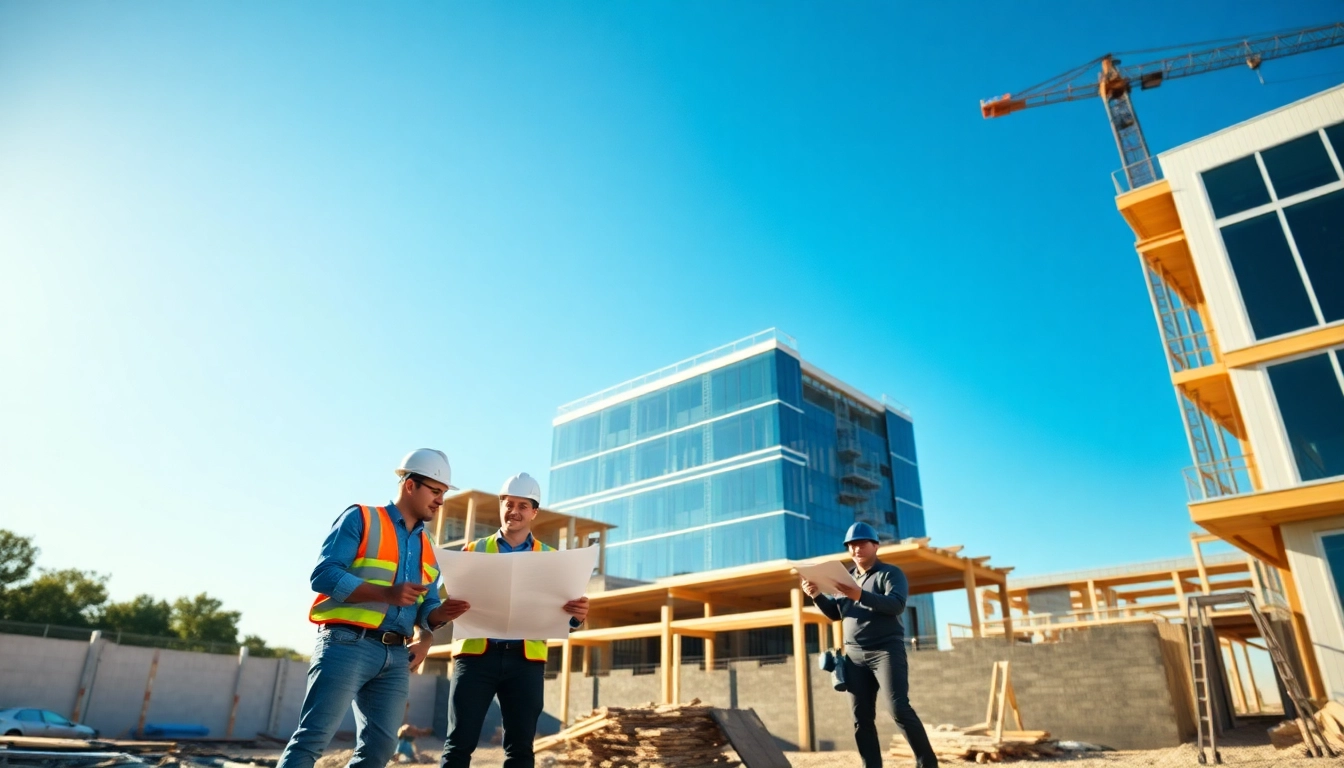
Understanding the Role of a New Jersey Commercial General Contractor
What is a General Contractor?
A general contractor is a crucial player in the construction landscape, particularly in commercial projects. Their primary responsibility involves overseeing the construction process from inception to completion, ensuring that every aspect abides by the project’s design and specifications. They act as the project manager, coordinating between subcontractors, suppliers, and the client to ensure the project runs smoothly. In the context of New Jersey, a commercial general contractor is well-versed in local regulations and building codes, which is essential for compliance and ensuring project success. You can find more details about the role of a well-established New Jersey Commercial General Contractor through reputable construction firms.
Key Responsibilities of a General Contractor
The responsibilities of a general contractor extend far beyond merely facilitating construction. They include:
- Project Planning: Developing a detailed plan outlining construction timelines, milestones, and resource allocation.
- Budget Management: Estimating project costs and ensuring that expenditures align with the budget throughout construction.
- Subcontractor Coordination: Hiring and managing subcontractors, ensuring they deliver quality work within specified timelines.
- Permits and Regulations: Securing the necessary permits and ensuring compliance with local regulations, safety standards, and zoning laws.
- Quality Control: Monitoring the project to maintain high-quality standards and resolve any issues that arise.
Importance of General Contractors in Commercial Construction
General contractors play a pivotal role in the success of commercial construction projects. By acting as the main point of contact, they mitigate the risk of miscommunication among various stakeholders, including architects, engineers, and subcontractors. Their expertise ensures project efficiency, quality, and compliance with safety and building codes. Moreover, they can navigate the complexities of commercial regulations, which is particularly important in New Jersey where local laws may differ significantly from other states.
Choosing the Right New Jersey Commercial General Contractor
Essential Qualities to Look For
Selecting a commercial general contractor is a critical decision that can affect your project’s success significantly. Here are essential qualities to consider:
- Experience: A contractor with a proven track record in commercial projects similar to yours is invaluable.
- Communication Skills: Effective communication fosters trust and clarity among all project participants.
- Problem-Solving Abilities: The ability to quickly resolve unexpected issues is vital for keeping the project on schedule.
- Strong Network: A network of reliable subcontractors and suppliers can enhance project efficiency and quality.
- Financial Stability: Ensure your contractor has the financial resources to complete the project without disruption.
Evaluating Experience and Credentials
When assessing potential contractors, evaluate their experience and credentials closely:
- Check for licenses and certifications relevant to New Jersey construction laws. Ensure they hold the necessary certifications to operate.
- Review their portfolio to see past projects, looking for diversity in project types and successful delivery.
- Seek references from previous clients to gain insight into their reliability, workmanship, and ability to deliver on time and within budget.
How to Assess Past Projects Effectively
To effectively assess a contractor’s past projects, consider the following methods:
- Site Visits: Visit completed projects to inspect the quality of work and responsiveness of the contractor.
- Client Testimonials: Speak to former clients about their experiences, focusing on issues related to communication, quality, and problem resolution.
- Project Complexity: Evaluate whether the contractor has handled projects with challenges similar to what you anticipate in your project.
The Construction Process with a New Jersey Commercial General Contractor
Stages of Commercial Project Development
The construction process is typically segmented into several stages:
- Pre-Design: Conceptual discussions take place, where ideas and requirements are gathered from stakeholders.
- Design: Architects and engineers create detailed design plans, incorporating aesthetics and functionality.
- Pre-Construction: The contractor secures permits and contracts, finalizes budgets, and prepares the site.
- Construction: This is where the contractor manages the physical construction, ensuring that work adheres to the designs and schedules.
- Post-Construction: Final inspections are conducted, and the project is officially completed, with all necessary documentation handed over.
Communication and Collaboration Throughout the Process
Effective communication and collaboration are paramount throughout the construction process. Regular meetings, updates, and transparent processes foster a collaborative environment that can lead to better project outcomes. Tools such as project management software can streamline communication and provide everyone involved with real-time updates on project status, deadlines, and responsibilities.
Handling Challenges and Changes During Construction
Construction projects often encounter unforeseen challenges that necessitate changes to the original plan. Here’s how to handle these effectively:
- Flexibility: Be open to adjustments in plans and timelines as new issues arise.
- Documentation: Maintain thorough records of any changes, including reasons for adjustments and new agreements.
- Regular Communication: Involve all stakeholders in discussions about potential challenges, allowing collective problem-solving.
Cost Considerations When Hiring a New Jersey Commercial General Contractor
Understanding Pricing Models and Contracts
Understanding pricing models is critical for budget management in construction projects. Common pricing models include:
- Fixed Price: A set fee for the entire project, avoiding surprise costs but requiring detailed upfront estimates.
- Cost-Plus: The client covers the contractor’s costs plus a predetermined fee, which can lead to variable total costs.
- Time and Materials: Charges based on the time spent and materials used, providing flexibility but potentially leading to higher costs.
Budgeting for Unexpected Costs
One of the most significant challenges in construction budgeting is accounting for unexpected costs, which can arise from various sources such as:
- Site conditions that differ from initial assessments, requiring additional work.
- Design changes initiated by the client or unforeseen problems during construction.
- Rising material costs impacting project budgets.
It is wise to allocate a percentage of your budget (usually between 5-10%) as a contingency fund to handle these unexpected expenses effectively.
Value Engineering for Cost-Efficiency
Value engineering is an approach aimed at improving the value of a project while maintaining its integrity. It involves analyzing functions and costs, identifying ways to reduce expenses without sacrificing quality. Engaging your contractor in value engineering discussions early in the project can result in innovative solutions that deliver greater efficiency and cost savings.
FAQs About New Jersey Commercial General Contractors
What does a New Jersey Commercial General Contractor do?
A New Jersey Commercial General Contractor oversees the construction process, ensuring project compliance with design, quality standards, and regulations while managing subcontractors and budgets.
How can I find a reputable contractor in New Jersey?
To find a reputable contractor, ask for referrals, check online reviews, and evaluate candidates based on experience, credentials, and clients’ feedback.
Are there licensing requirements for general contractors in New Jersey?
Yes, general contractors in New Jersey must hold the required licenses and adhere to state regulations, including local building codes and safety standards.
What is the average cost to hire a commercial general contractor?
The cost varies widely based on project size and complexity, but it typically ranges from 10-20% of the overall project budget.
How long does a commercial construction project generally take?
The timeline for a commercial construction project can vary significantly, often taking from a few months to several years, depending on the project’s scope and complexity.