
 By admin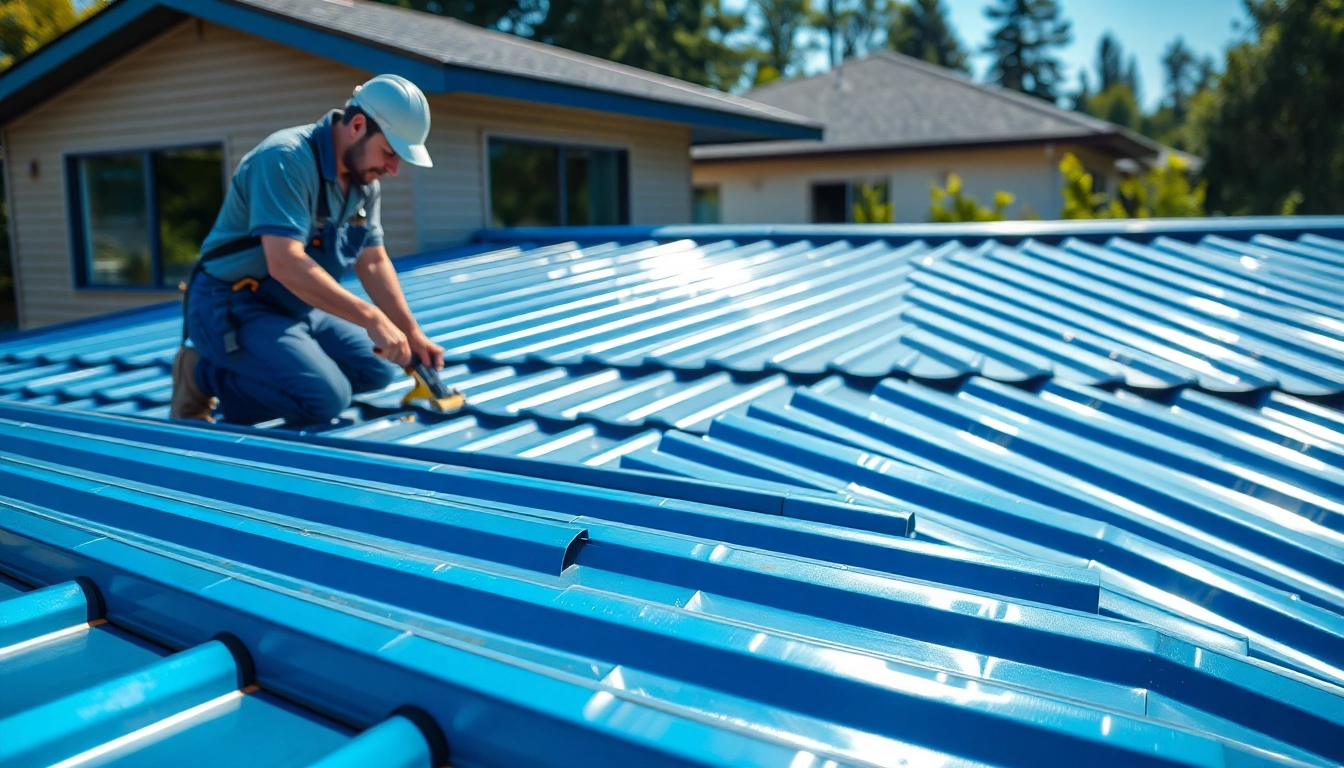
Understanding Metal Roofing
What is Metal Roofing?
Metal roofing refers to roofing systems made from metal, typically consisting of materials such as steel, aluminum, copper, or zinc. These roofs can be designed in various styles and can be installed as shingles, tiles, or panels. Due to their composition, metal roofs are known for their durability, longevity, and aesthetic appeal, making them a popular choice among homeowners and commercial property owners. In comparison to other roofing materials, metal roofing embodies a unique blend of performance and style.
Types of Metal Roofing Materials
When considering a metal roofing system, the choice of material is crucial as it impacts durability, aesthetics, and cost. The most common metal roofing materials include:
- Steel: Often coated with zinc (galvanized) or a coating to prevent rust (galvalume), steel is a popular and affordable choice.
- Aluminum: Known for its resistance to rust, aluminum is lightweight and suitable for coastal areas where salt corrosion is a concern.
- Copper: Although more expensive, copper roofing offers a distinctive look and is celebrated for its longevity and minimal maintenance.
- Zinc: This material develops a protective patina over time, making it highly durable and resistant to corrosion.
Benefits of Metal Roofing
Metal roofing systems offer an array of advantages that contribute to their growing popularity:
- Longevity: A well-installed metal roof can last 40 to 70 years, significantly outlasting traditional roofing materials.
- Durability: Resistant to severe weather conditions, including high winds and hail, metal roofs can withstand the test of time.
- Energy Efficiency: Metal roofs reflect sunlight, which can lead to lower cooling costs in warmer climates.
- Low Maintenance: They require less upkeep compared to other roofing options, with infrequent inspections and occasional cleaning.
- Environmental Impact: Many metal roofs are made from recycled materials and can be recyclable at the end of their lifespan.
Installation Process for Metal Roofing
Preparation and Safety Steps
Before installing a metal roofing system, proper planning and safety measures are essential. Begin by conducting a thorough inspection of the existing roof structure to ensure it can support the weight of a new metal roof. Safety is paramount; wear appropriate protective gear, ensure ladders are stable, and have safety harnesses if working on steep slopes. Clear the installation site of debris and ensure that weather conditions are suitable for roofing work.
Step-by-Step Installation Guide
The installation of metal roofing can be undertaken as follows:
- Remove Old Roofing: If replacing an existing roof, carefully remove the old materials to expose the roof deck.
- Inspect and Repair the Roof Deck: Check for any signs of damage and repair as needed to ensure a solid base for the new roof.
- Install Underlayment: Lay a moisture barrier or underlayment across the roofing deck to prevent leaks.
- Lay Down Metal Panels: Start at the eaves and work upwards, fastening each panel securely to the roof deck.
- Install Flashing and Trim: Apply flashing around chimneys, valleys, and edges to prevent water penetration, then add trim for a finished look.
- Conduct A Final Inspection: Review the entire installation for proper alignment, fastening, and that all components are securely in place.
Common Mistakes to Avoid
To ensure a successful installation, be aware of common pitfalls:
- Neglecting the roof structure’s suitability for additional weight.
- Improperly fastening panels, which can lead to leaks and structural issues.
- Forgetting to account for expansion and contraction, leading to warping.
- Skipping the underlayment or flashing, compromising water resistance.
- Rushing through inspections, missing potential issues before installation.
Maintenance of Metal Roofing
Routine Inspections and Upkeep
Routine maintenance is essential to ensure the longevity of metal roofing. Conduct inspections at least twice a year and after severe weather events. Look for any signs of damage, rust, or wear, especially around seams and fasteners. Cleaning should also be part of upkeep; remove debris, leaves, and snow accumulation to prevent moisture buildup.
Potential Issues and Solutions
Common issues with metal roofing and their solutions include:
- Rust Formation: If rust occurs, treat the affected areas with a rust-inhibiting primer and repaint.
- Loose Panels: Tighten fasteners that may have loosened due to weather impacts.
- Leaks: Check seams and flashings for signs of leaks and reseal as necessary.
Longevity of Metal Roofing
Metal roofing systems provide exceptional durability, often lasting between 40-70 years, far exceeding other roofing materials. Factors such as regional climate, installation quality, and material type influence longevity. Routine maintenance, including inspections and minor repairs, can significantly extend the lifespan of a metal roof, ensuring it performs well over time.
Cost Analysis of Metal Roofing
Initial Investment Breakdown
The upfront cost of installing a metal roofing system varies based on material choice, roof size, and labor costs. Generally, homeowners can expect to pay anywhere from $5.00 to $12.00 per square foot, including materials and installation. While it may seem high compared to traditional shingles, the long-term benefits often justify the initial investment.
Long-Term Savings and Value
Investing in metal roofing can yield significant long-term savings. Due to their durability and longevity, homeowners save on frequent repairs and replacements. Additionally, the energy efficiency of metal roofs can lead to a decrease in heating and cooling costs, resulting in lower utility bills and considerable savings over decades.
Financing Options for Homeowners
Various financing options are available for homeowners interested in metal roofing. These include personal loans, home equity loans, and specialized financing through contractors. Some states also offer incentives, rebates, or tax credits for energy-efficient improvements, which can further assist homeowners in funding their roofing projects.
FAQs about Metal Roofing
How long does metal roofing last?
Metal roofing can last between 40 and 70 years, depending on the material and maintenance.
Is metal roofing energy-efficient?
Yes, metal roofs reflect solar radiant heat, which can lead to lower cooling costs, particularly in warmer climates.
Can metal roofing be installed over shingles?
Yes, in many cases, metal roofing can be installed over existing shingles, depending on local building codes.
How does metal roofing perform in harsh weather?
Metal roofing is highly resilient against harsh weather, including high winds, heavy snow, and hail.
What maintenance does metal roofing require?
Metal roofing requires minimal maintenance, including routine inspections, cleaning, and ensuring that fasteners are secure.