
 By admin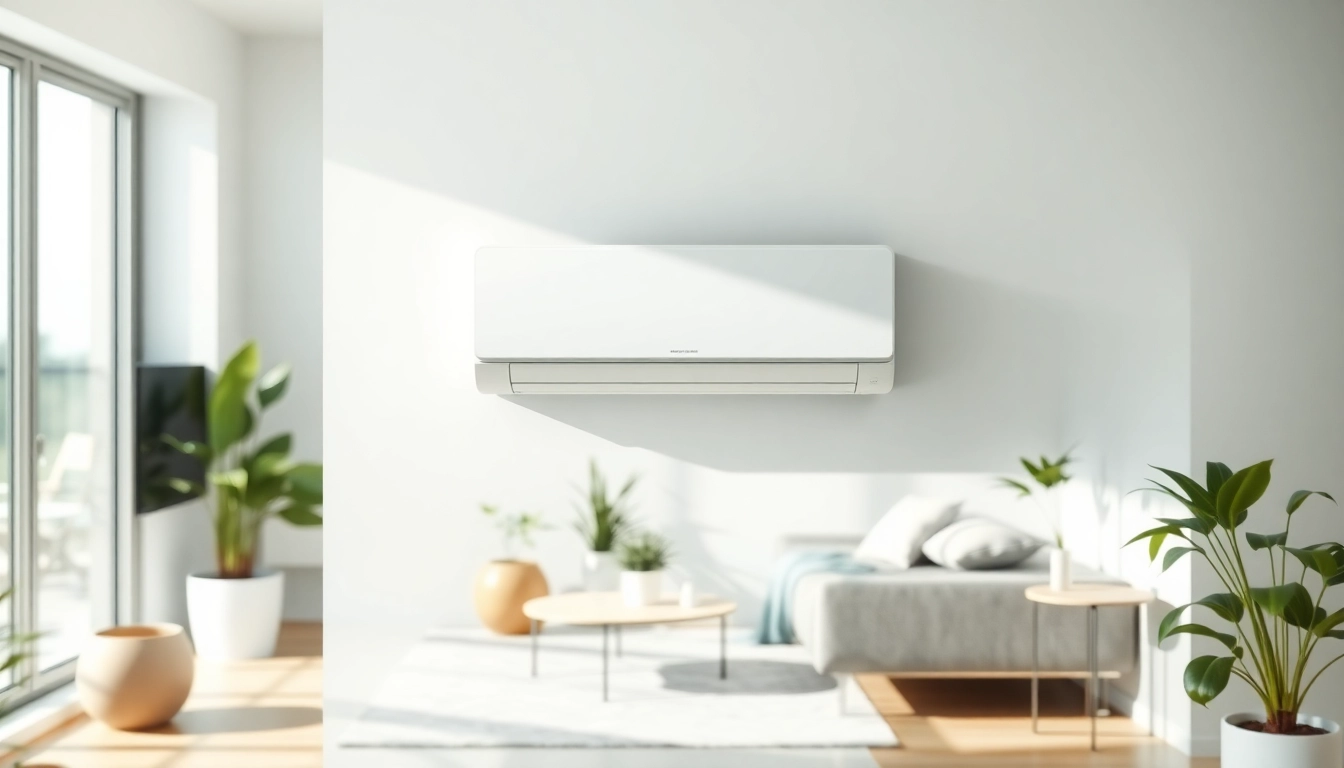
Understanding Mini Split AC Systems
What is a Mini Split AC?
A mini split AC is a compact air conditioning system that can provide both cooling and heating capabilities. Unlike traditional central air conditioning systems, mini split systems consist of two main components: an indoor unit, which is mounted on the wall or ceiling, and an outdoor condenser unit, which is placed outside the home. This configuration eliminates the need for ductwork, making mini splits an ideal solution for homes without existing duct systems. With their growing popularity, many homeowners are considering the benefits of a mini split ac system.
How Do Mini Split ACs Work?
Mini split ACs operate by transferring heat between the indoor and outdoor units using a refrigerant. During the cooling process, the indoor unit absorbs heat from the room air and transfers it to the refrigerant, which then flows to the outdoor unit. Here, the heat is released into the outdoor air. Conversely, during heating operations, the cycle is reversed, extracting heat from the outside air and distributing it inside. This dual functionality makes mini splits versatile for year-round comfort.
Benefits of Mini Split AC Systems
Mini split AC systems offer numerous advantages for homeowners. First and foremost, they provide energy-efficient cooling and heating, often with higher SEER (Seasonal Energy Efficiency Ratio) ratings than traditional systems. Additionally, they allow for zoning, meaning you can control the temperature of each room independently, leading to reduced energy consumption. Their compact size and design flexibility make them suitable for various installations, which further enhances their appeal for urban homes or spaces with limited configuration options.
Key Features to Look for in a Mini Split AC
Energy Efficiency Ratings
When choosing a mini split AC, energy efficiency is a primary consideration. Look for units with high SEER ratings, typically above 18, which indicates superior energy performance. Higher ratings can lead to lower electricity bills and a decrease in your carbon footprint. Additionally, Energy Star-rated models can offer further assurances of efficiency.
Cooling Capacity and Size
The cooling capacity of a mini split AC is measured in BTUs (British Thermal Units). Selecting an appropriately sized system is critical for optimal performance. Under-sizing can lead to inefficient cooling and increased wear and tear, while oversizing can result in short cycling and humidity issues. To determine the right size, consider factors like the room size, insulation, and local climate conditions.
Noise Levels and Operation
Mini split systems are generally quieter than conventional air conditioning units. However, noise levels can vary between models. When evaluating options, check the decibel (dB) ratings, specifically for the indoor units, as quieter models can significantly enhance indoor comfort. Many brands offer models with a noise level below 30 dB, making them suitable for sleeping areas and quiet settings.
Installation Considerations for Mini Split ACs
Choosing the Right Location
Installation location is crucial for the effectiveness of a mini split AC system. Indoor units should be installed high on walls for optimal air distribution, avoiding obstructions. For outdoor units, select a site that allows for proper airflow and minimal exposure to elements, ensuring longevity and reliability. Additionally, ensure that the chosen locations comply with local regulations and manufacturer’s recommendations.
Installing the Indoor and Outdoor Units
Installing a mini split AC involves precise steps that typically require professional expertise. The process includes mounting the indoor unit, drilling holes for refrigerant lines, and connecting the outdoor unit. While DIY installation is possible for skilled individuals, improper installation can lead to performance issues and warranty voidance. Always follow the manufacturer’s guidelines for installation.
Hiring Professionals vs. DIY Installation
Deciding whether to hire professionals or undertake a DIY installation of a mini split AC often depends on your experience and comfort level. While professionally installed systems often come with warranties and guarantees, DIY installation can save on labor costs. Weigh the benefits of professional installation against potential risks, such as improper setup, which could lead to inefficiency and higher repair costs in the long run.
Maintenance Tips for Mini Split AC Systems
Regular Cleaning and Filters
Maintaining your mini split AC is key to ensuring its efficiency and longevity. Regularly clean or replace filters every 1-3 months, depending on use and environmental conditions. Dust and debris accumulation can reduce airflow, forcing the system to work harder and increasing energy consumption. Additionally, cleaning the outdoor unit and ensuring that the area is free from obstructions will enhance performance.
Checking Refrigerant Levels
Refrigerant levels are critical for the efficient operation of a mini split AC. Low refrigerant levels can lead to decreased cooling capacity and may indicate a leak in the system. It is advisable to have a qualified technician check refrigerant levels during annual maintenance to prevent potential problems and ensure optimal performance.
Signs Your Mini Split AC Needs Service
Be vigilant for indications that your mini split AC may need professional servicing. Common signs include unusual noises, inconsistent temperatures, and increased energy bills. Leaking refrigerant or an unpleasant odor coming from the unit can also signal a problem. Promptly addressing these issues can prevent costly repairs and extend the lifespan of the system.
Frequently Asked Questions (FAQs)
How efficient is a mini split AC?
Mini split ACs are generally very efficient, with SEER ratings typically ranging from 16 to 30. Higher ratings reflect better efficiency, which can lead to significant energy savings over time.
Can a mini split AC heat as well?
Yes, many mini split systems are designed for both heating and cooling, providing year-round climate control by reversing the refrigerant cycle.
What size mini split AC do I need?
The required size for a mini split AC is determined by the room’s square footage, insulation quality, and usage patterns. Consult a professional to perform a load calculation for accurate sizing.
Is installation expensive?
Installation costs vary based on system complexity and local labor rates. On average, professional installation can range from $1,500 to $3,500, including equipment and labor.
How do I maintain my mini split AC?
Regular maintenance includes cleaning filters, checking refrigerant levels, and inspecting indoor and outdoor units. Schedule annual professional servicing for optimal performance.