
Understanding the Basics of Sports Broadcasting
Defining Sports Broadcasting
Sports broadcasting is the dissemination of sports events, information, and analysis via various media platforms. It encompasses everything from live telecasts of games to highlight shows and sports news programs. The main goal is to connect fans with the sporting world, providing them with access to events they might not otherwise attend. This industry has evolved significantly over the years and continues to adapt to new technology and audience demands. As fans seek more immersive experiences, Sports Broadcasting has grown to include streaming options, social media engagement, and interactive content.
Key Roles in Sports Broadcasting
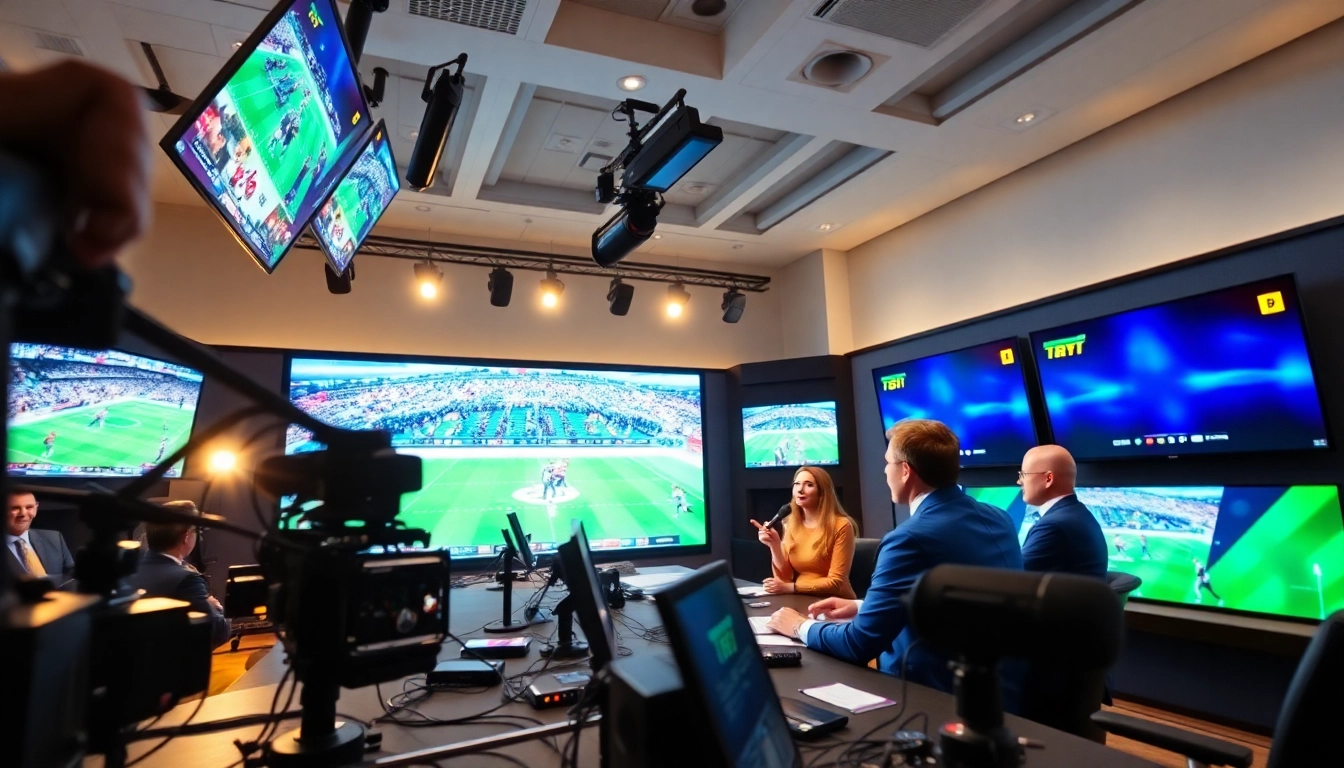
The sports broadcasting landscape includes several key players, each fulfilling a unique role that contributes to the overall viewing experience. 1. Broadcasters: These are typically the television networks or online platforms that air sports events. They acquire broadcasting rights and invest in production to deliver high-quality content. 2. Commentators: Also known as announcers or pundits, they provide commentary and analysis during the coverage of live events, enhancing viewer understanding and engagement through knowledgeable insights. 3. Producers and Directors: Responsible for the overall production and direction of broadcasts, they ensure that every element, from camera angles to graphics, is aligned for optimal viewer experience. 4. Cameramen and Technical Crew: These technicians are the backbone of any broadcast, operating cameras, managing sound, and controlling lighting to create an engaging visual presentation. Together, these roles ensure a seamless viewing experience that captivates audiences.
How Sports Broadcasting Works
At its core, sports broadcasting operates through a series of well-coordinated processes. The journey begins with acquiring broadcasting rights, allowing networks to air specific events. Once rights are secured, teams prepare for the event itself. Technical teams set up equipment, which includes cameras, microphones, and production gear. The broadcast team outlines the narrative of the event. During the live broadcast, producers communicate with camera operators to capture key moments while commentators deliver real-time analysis and insights. Post-event, highlights are often edited into content for audiences who may have missed the live coverage, thus extending the reach of the event.
Essential Tools for Sports Broadcasting
Broadcasting Equipment Overview
The tools used in sports broadcasting are crucial for delivering high-quality content. Essential equipment includes: - Cameras: High-definition cameras capture live action, with specialized lenses for varying distances and angles. - Microphones: Sound quality is vital; using directional and wireless microphones ensures clear audio from commentators or players. - Switchers: These devices allow for the seamless transition between different camera feeds, enhancing viewer engagement by showing multiple angles or replaying critical moments. - Graphics Software: This software enables broadcasters to display statistics, scores, and player data in real-time, offering deeper insights into the game. Each piece of equipment plays a significant role in creating a professional broadcast that captivates viewers.
Software for Sports Broadcasting
In addition to hardware, software tools are instrumental in modern sports broadcasting. Key software types include: - Streaming Platforms: Services like OBS Studio and Wirecast allow broadcasters to stream live events directly to audiences online. - Editing Software: Programs such as Adobe Premiere Pro facilitate the editing of highlights, allowing for quick turnaround times for viewers who want to catch up on missed action. - Graphics Generators: Tools like ChyronHego enable the creation of dynamic graphics that can display in-game statistics, player profiles, and more, enhancing viewer engagement. Utilizing the right software can significantly elevate the quality of a sports broadcast.
Integration of Social Media in Broadcasts
The rise of social media has transformed how sports are broadcasted and consumed. Broadcasters now leverage platforms such as Twitter, Instagram, and Facebook to: - Engage Fans: Live tweeting during events and creating interactive polls before, during, and after games keeps fans involved and enhances their experience. - Content Sharing: Highlight clips and behind-the-scenes footage can be shared instantly, making it easier for fans to access content across platforms. - Feedback Loop: Social listening tools allow broadcasters to gauge fan reactions in real-time, helping to tailor future broadcasts to audience preferences. The integration of social media not only provides additional engagement opportunities but also creates a community around sports events.
Techniques to Enhance Sports Broadcasting
Engaging Your Audience
To captivate and retain viewers, broadcasters must adopt various strategies to enhance audience engagement. These include: - Interactive Features: Incorporating features like live Q&A sessions with analysts or allowing viewers to vote on player performances can increase interactivity and make audiences feel more involved in the broadcast. - Tailored Content: Understanding viewer preferences through data analytics can guide content creation. Some audiences may prefer in-depth analyses, while others enjoy highlight reels. - Personalization: Tailoring the broadcast experience to different demographics can make the content more relatable. For instance, younger audiences might appreciate more pop culture references, while older viewers may seek classic commentary styles. These techniques foster a deeper connection with the audience, encouraging them to return for future broadcasts.
Effective Commentary Skills
Commentary is a critical aspect of sports broadcasting, requiring a unique blend of skills: - Knowledge and Insight: Commentators must possess an extensive understanding of the sport, including rules, player statistics, and historical contexts, to provide meaningful analysis. - Clarity and Conciseness: Effective commentators convey their messages clearly and concisely, ensuring that even casual fans can understand and appreciate the nuances of the game. - Storytelling: Engaging storytelling techniques can transform the viewing experience. This includes weaving narratives about players, teams, or rivalries into the commentary to create an emotional connection for viewers. Improving commentary skills can significantly enhance the overall broadcast experience.
Using Visuals to Improve Broadcasts
Visual elements play an indispensable role in captivating audiences. Strategies include: - Replay Systems: Implementing instant replays allows significant moments to be analyzed from multiple angles, giving viewers a greater understanding of pivotal plays. - Augmented Reality: Utilizing AR can add informative graphics to live footage, such as player stats or strategic breakdowns, enhancing the educational value of broadcasts. - On-Screen Graphics: Dynamic lower-thirds, player stats, and scrolling tickers keep viewers engaged by constantly providing fresh content throughout the broadcast. These enhancements not only improve viewer engagement but also inform and educate the audience about key game aspects.
Challenges in the Sports Broadcasting Industry
Adapting to Technological Changes
The sports broadcasting landscape is continually evolving, and keeping pace with technological advancements presents challenges: - Investment Costs: High-quality technology can be expensive, making it challenging for smaller networks or independent broadcasters to compete. - Technical Skills: As broadcasting technology becomes more complex, there is a continual need for personnel skilled in new systems and equipment. - Audience Expectations: Today's viewers expect high-quality streams, engaging commentary, and instant access to information, placing additional pressure on broadcasters. Adapting to these changes requires a proactive approach towards training and investment.
Maintaining Audience Engagement
Keeping audiences engaged is an ongoing challenge that requires consistent effort. Strategies can include: - Regular Content Updates: Broadcasters should continue to offer fresh content even during off-seasons, maintaining relevance and audience interest. - Fan-Centric Strategies: Implementing feedback mechanisms helps broadcasters learn what audiences appreciate, allowing for better-targeted content. - Innovative Formats: Experimenting with new broadcast formats, such as podcasts or behind-the-scenes features, can attract and retain different segments of the audience. Ensuring continuous engagement is vital for long-term success.
Legal Aspects of Sports Broadcasting
The sports broadcasting industry is governed by various legal regulations: - Broadcasting Rights: Securing the correct licensing agreements is crucial to avoid legal repercussions and ensure the broadcast is authorized. - Content Restrictions: There may be limitations on how content can be used, especially concerning highlights or replays, which need to be understood and respected. - Intellectual Property: Proper management of trademarks and copyrights protects the interests of individuals and entities involved in sports broadcasting. Understanding and navigating these legal aspects is essential for success in the sports broadcasting space.
Future Trends in Sports Broadcasting
Rise of Streaming Services
The shift towards digital platforms has reshaped how sports are consumed: - Accessibility: Streaming services allow for access to games that traditional cable networks may not cover, catering to a broader audience. - Subscription Models: More viewers are likely to subscribe to services offering exclusive content or special events, impacting revenue models in broadcasting. - Global Reach: Streaming enables international audiences to access local sports events, expanding the market for broadcasters. This trend reflects changing viewer habits and continues to challenge traditional broadcasting methods.
Interactive Broadcasting Experiences
Viewers increasingly demand interactive experiences: - Choice of Commentary: Platforms may offer viewers the option to choose their preferred commentators or analysis style. - Real-Time Stats and Polls: Integrating interactive features that allow viewers to engage with content during broadcasts can significantly enhance the viewing experience. - Multi-Angle Viewing: Technologies enabling viewers to switch between camera angles create a more personalized watching experience. These innovations provide depth and customization, catering to diverse viewer interests.
Predicting the Future of Sports Broadcasting
As technology advances, the future of sports broadcasting will likely involve: - Artificial Intelligence: AI could be used for analytics, predicting game outcomes, and personalizing viewing experiences based on viewer preferences. - Virtual Reality: VR technology may provide immersive viewing opportunities, allowing fans to feel like they are attending games live. - Enhanced Data Analytics: Continuous improvements in data collection and analysis will refine commentary and reportage, providing deeper insights for audiences. These trends illustrate the future potential of a dynamic and evolving sports broadcasting landscape.
Frequently Asked Questions
What is Sports Broadcasting?
Sports Broadcasting refers to airing sports events, news, and analysis across various media channels, engaging fans worldwide.
What roles are involved in Sports Broadcasting?
Key roles include broadcasters, commentators, producers, directors, and technical crews, each ensuring a smooth and engaging viewing experience.
How does technology impact Sports Broadcasting?
Technology enhances production quality, audience engagement, and content delivery, shaping the evolution of how sports are presented to viewers.
What are common challenges in Sports Broadcasting?
Challenges include adapting to new technologies, maintaining audience engagement, and navigating legal issues related to broadcasting rights.
What are future trends in Sports Broadcasting?
Emerging trends include the rise of streaming services, interactive viewing experiences, and advancements in AI and VR technologies.