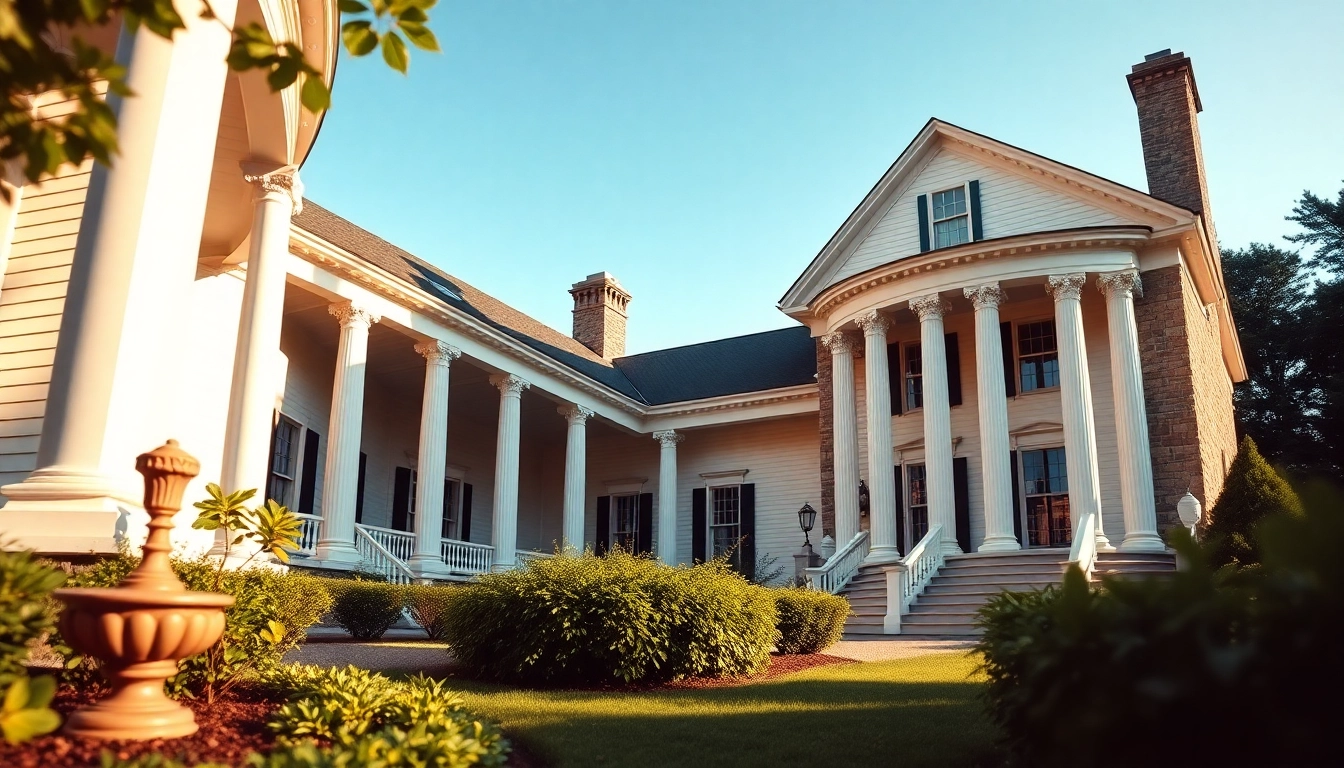
Understanding Colonial Addition
Definition of Colonial Addition
A colonial addition refers to a structural extension of a colonial-style home that retains the timeless charm and architectural integrity of its original design. This addition can vary in scale, from modest bump-outs that create functional spaces like mudrooms or home offices, to expansive wings that enhance the living area significantly. The goal of a colonial addition is to expand living space while honoring the style’s characteristic elements—symmetrical balance, classic rooflines, and traditional window placement.
Historical Significance
The colonial architectural style has deep roots in American history, reflecting the country's heritage dating back to the 1600s. Homes built during this era often showcased specific design features, such as brick facades, wooden clapboard, and gable roofs. When adding to these homes, it’s essential to understand their historical context. This allows homeowners and architects to create additions that not only blend seamlessly with the original structure but also respect the cultural significance of the colonial style.
Benefits of Colonial Addition
Implementing a colonial addition provides numerous advantages:
- Increased Living Space: Ideal for growing families or individuals needing more room for hobbies and activities.
- Enhanced Property Value: A well-designed addition can significantly increase the market value of a home.
- Preservation of Heritage: Adds modern functionality without compromising the historical aesthetic.
- Customization: Homeowners can tailor the design to meet their specific needs while maintaining architectural integrity.
Design Principles for Colonial Addition
Architectural Styles
Understanding different architectural styles that complement colonial homes is crucial when planning a colonial addition. Popular styles include:
- Georgian: Featuring symmetrical patterns, brick facades, and classic columns; offers a timeless appeal.
- Federal: Known for its decorative elements and refined symmetry, this style enhances the colonial aesthetic beautifully.
- Colonial Revival: A movement that revisits early American styles, allowing for more creativity without straying from traditional elements.
Choosing Materials
Material selection is critical in maintaining the integrity of a colonial addition. Traditional materials such as brick, wood, and natural stone are commonly used. Homeowners should consider sourcing materials that match or closely resemble those in the existing structure. This ensures a cohesive appearance. Additionally, modern materials that offer improved energy efficiency can be seamlessly incorporated without compromising historical style.
Color Schemes and Finishes
Color palettes for colonial additions typically reflect classic views. Rich, earthy tones are popular choices, evoking warmth and comfort. Whites and off-whites can create a clean and elegant look, maintaining the colonial ambiance. When selecting finishes, opt for those that add texture and depth, such as wood paneling, brick accents, or classic molding that echoes the original home’s details.
Planning Your Colonial Addition
Zoning and Permits
Before embarking on a colonial addition project, understanding local zoning laws and necessary permits is essential. Depending on the location, specific regulations may govern the area—particularly historical districts where special standards apply. Working closely with local authorities can ensure compliance and prevent future complications.
Budget Considerations
Budgeting for a colonial addition involves more than just construction costs. Homeowners should consider additional expenses like design fees, landscaping, and temporary housing during construction. Typical costs also include permits, contractor fees, and any necessary upgrades to utilities. Setting a realistic budget and allowing for contingencies can make the process smoother.
Timeline for Construction
The timeline for a colonial addition varies based on project complexity, size, and weather conditions. On average, planning and permit acquisition can take a few months, while the actual construction phase will typically last anywhere from three to six months. Engaging proper project management practices will facilitate smoother timelines, from design to completion.
Common Challenges in Colonial Addition
Balancing Modern Needs with Traditional Aesthetics
One of the most prevalent challenges in a colonial addition is finding a balance between modern functionality and traditional aesthetics. Homeowners must reflect on their needs while adhering to the style dictated by the existing structure. Open-concept designs may conflict with the enclosed layouts of colonial homes. Strategically implementing modern features—like larger windows or more open spaces—requires thoughtful planning.
Dealing with Structural Issues
Older colonial homes may present unique structural challenges that impact the addition process. Issues like foundation instability, outdated electrical systems, or decaying materials can arise. Addressing these concerns before proceeding with the addition is essential to ensure long-term safety. Engaging qualified professionals can help identify and remedy underlying problems.
Finding the Right Contractor
Selecting the right contractor for your colonial addition is vital to success. Seeking professionals with experience in historical renovations can provide insightful perspectives on design compliance, material choice, and structural integrity. It’s advisable to review portfolios, seek references, and have discussions with potential contractors to ensure expectations align before committing.
Case Studies: Successful Colonial Addition Projects
Small Homes with Colonial Additions
Small homes can be enhanced significantly with thoughtful colonial additions. For example, a modest two-bedroom home added a compact yet functional family area that extended harmoniously with the existing architecture. Employing natural materials with quaint architectural elements offered coherence and maximized space without overwhelming the property.
Large Estates with Modern Interiors
Conversely, larger estates present opportunities for expansive additions. One successful case involved a significant enlargement of a grand colonial home, integrating modern interiors that harmonized with the exterior façade. Balancing traditional exterior elements like heavy trim and symmetrical lines with contemporary amenities resulted in a luxurious yet cohesive home experience.
Transformation Stories from Homeowners
Various homeowners have shared their journeys of renovating their colonial homes through thoughtful additions. For instance, one family transformed their historic colonial by converting an attic into a charming loft space complete with dormer windows, blending past elegance with current functionality. The successful integration preserved historical details while providing modern amenities that catered to their lifestyle.
FAQs about Colonial Addition
What is a colonial addition?
A colonial addition is an extension to a colonial-style home that maintains its original architectural integrity while adding functional space.
What are the benefits of a colonial addition?
Benefits include increased living space, enhanced property value, preservation of historical styles, and customization options for homeowners.
How can I ensure my addition matches my home’s style?
Choosing compatible materials, designs, and colors that reflect the original architecture is important for cohesiveness in your addition.
What should I consider during the budgeting process?
Consider not just construction costs, but also design fees, permits, landscaping, and potential unexpected expenses during your project.
How long does the construction of a colonial addition usually take?
On average, the planning and construction timeline can range from three months to over six months, depending on various factors.