Travel and Tourism
Unforgettable Experiences with a Destination Photographer: Your Guide to…
The Essence of a Destination Photographer
In a world where memories are fleeting, the role of a Destination photographer becomes a crucial aspect of preserving cherished moments. These photographers specialize in capturing emotion, beauty, and the unique characteristics of various locales, allowing individuals and couples to relive their adventures through stunning imagery. But what sets destination photography apart from traditional photography, and why should you consider hiring a destination photographer for your next journey? In this comprehensive guide, we will delve into what defines a destination photographer, the importance of location, and how to maximize your experience.
What Defines a Destination Photographer?
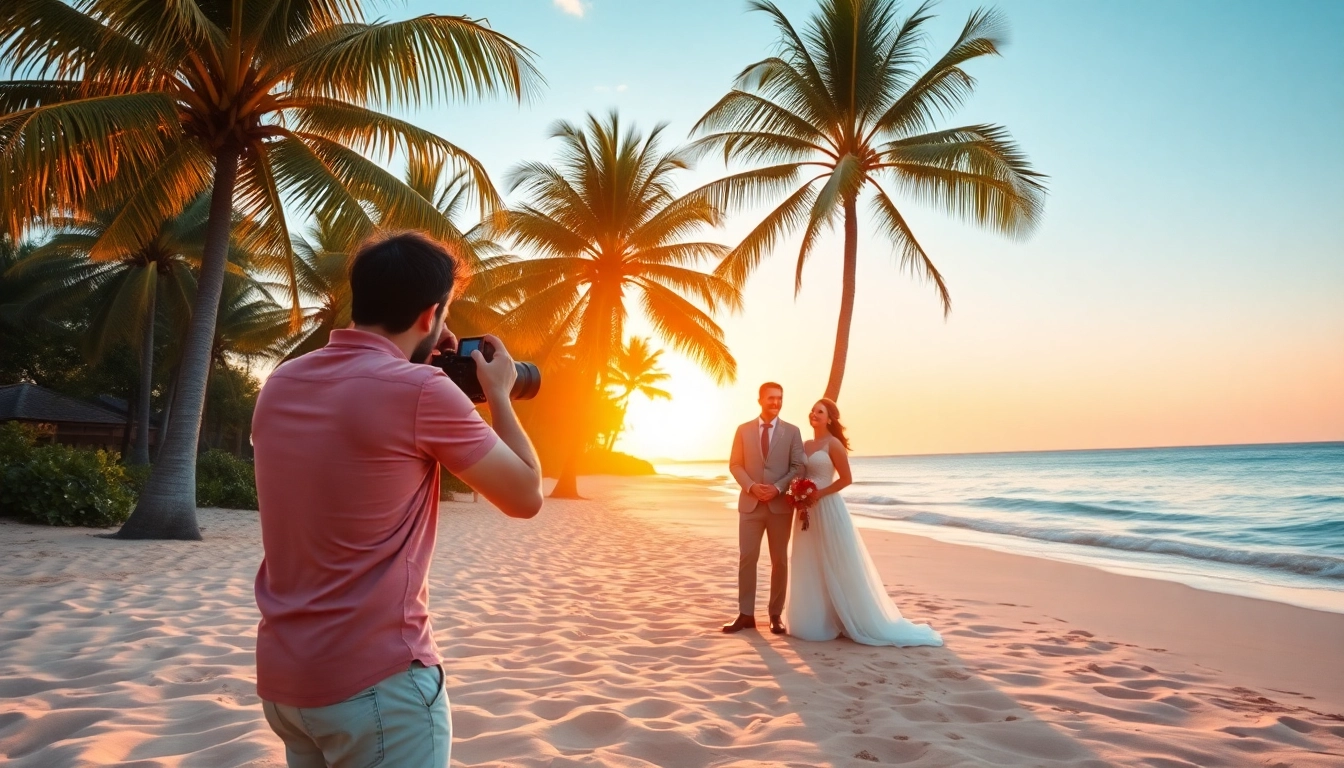
A destination photographer is a professional who travels to various locations to capture significant life events, such as weddings, engagements, family vacations, or personal milestones. Unlike traditional photographers who may work in a fixed studio or local area, destination photographers thrive on the diversity of breathtaking settings that can enhance their storytelling through images.
These photographers often possess a keen understanding of various cultures, landscapes, and light conditions. Their expertise lies not only in photography but also in being adaptable and resourceful while working in unfamiliar environments. Whether it’s a beach during sunset, a mountain top, or an iconic urban landscape, a destination photographer knows how to transform these settings into unforgettable backdrops for their clients.
Importance of Choosing the Right Location
Choosing the right location for your photography session is pivotal; it sets the mood, enhances the aesthetic, and can significantly affect the outcome of the photographs. A destination photographer’s job is to guide clients in selecting locations that resonate with their personal story, style, and vision.
Factors to consider include:
- Personal significance: Select a location that holds personal meaning, such as the place of an engagement or a favorite vacation spot.
- Aesthetic appeal: Different locations offer varying landscapes, colors, and atmospheres, which can dramatically influence the style of the photos.
- Seasonal variations: Some destinations may look entirely different depending on the time of year, affecting your photo session.
- Accessibility: Consider any logistical issues that may arise, from reaching remote locations to local permits required for photography.
How Destination Photography Differs from Traditional Photography
While both destination and traditional photographers share the goal of capturing memorable moments, several key differences distinguish them:
- Flexibility: Destination photographers are often required to be more flexible and adaptive than their traditional counterparts. They must work with unfamiliar lighting, weather conditions, and landscapes.
- Storytelling: Destination photographers focus on storytelling through images, emphasizing the relationship between subjects and their surroundings. Each photo reflects the adventure’s essence.
- Cultural Sensitivity: Understanding cultural differences and local customs is vital for destination photographers, as it can impact the direction of the shoot and the comfort of their subjects.
Key Considerations When Hiring a Destination Photographer
Understanding Your Vision and Style
Before hiring a destination photographer, it’s crucial to clarify your vision for the photography session. Each photographer has a unique style—some lean towards photojournalism, while others may favor fine art or editorial photography.
Consider the following steps to ensure you find a suitable match:
- Research: Look for photographers whose portfolios resonate with your aesthetic preferences. Pay attention to their use of light, composition, and how they capture emotions.
- Consultation: Most professional photographers offer an initial consultation where you can discuss your ideas, expectations, and any specific shots you desire.
- Style Alignment: Ensure that the photographer’s approach aligns with your vision. For example, if you prefer candid moments, seek a photographer with a strong documentary style.
Budgeting for Destination Photography
Destination photography often comes with various costs beyond the photographer’s fee. Anticipating these expenses is crucial for successful planning. Here’s a closer look at what to consider:
- Photographer Fees: Fees can vary significantly based on experience, demand, and the location of the shoot, typically ranging from $1,500 to $5,000.
- Travel Costs: Account for airfare, accommodations, meals, and transportation—these can add significantly to the overall budget.
- Permit Fees: Some locations may require permits for professional photography, which can incur additional costs.
- Post-Production Fees: Editing and retouching may be included in the photographer’s fee, but extra costs might arise if you request additional processing.
Checking Photographer Credentials and Portfolio
Your destination photographer should have a well-documented portfolio that showcases their range of work and complements your vision. Before making a choice, consider the following:
- Experience: Look for photographers who specialize in destination sessions and can demonstrate expertise in various environments.
- Client Testimonials: Read client reviews and references to gauge overall satisfaction and reliability.
- Expertise in the Destination: A photographer familiar with your chosen location will have insights into ideal spots, lighting conditions, and potential challenges.
Preparing for Your Destination Photography Session
Best Time of Year to Schedule Your Shoot
The timing of your photography session can have a dramatic impact on the quality of the images. Many factors come into play:
- Weather Conditions: Some destinations experience extreme weather or seasonal changes that affect photography. Research the best times of year regarding climate and natural beauty.
- Tourist Crowds: If you prefer a calm, intimate experience, consider scheduling during off-peak times to avoid heavy tourist traffic.
- Golden Hour: This term refers to the period shortly after sunrise or before sunset when the light is soft and warm, perfect for stunning photography.
Wardrobe Tips for Stunning Photos
Your clothing choice plays an essential role in the final look of your photos. Follow these wardrobe tips to ensure you look and feel your best:
- Complement the Location: Choose outfits that fit the aesthetic of your chosen setting. For example, flowing dresses are beautiful for beach shoots, while tailored outfits may suit urban environments.
- Consider the Color Palette: Soft, solid colors often photograph beautifully. Vibrant patterns can distract, so consider a balance between being eye-catching and not overwhelming.
- Layering Items: Layers add depth to the images and allow for quick transitions between looks without changing your entire outfit.
Communicating Your Ideas with the Photographer
Effective communication with your photographer is critical in achieving your desired results. Here are some strategies for conveying your vision:
- Create a Mood Board: Compile images, color palettes, and styles that resonate with your vision; this visual reference helps guide your photographer.
- Share Your Preferences: Provide insights into any specific poses or styles you prefer, enabling the photographer to tailor the shoot to your liking.
- Stay Open to Suggestions: A skilled destination photographer may suggest creative ideas based on their knowledge and experience in that specific location, enhancing your photo session.
Maximizing the Impact of Your Destination Photos
Choosing the Right Backdrops for Iconic Shots
The backdrop plays an essential role in the composition of your photos. The ideal background can elevate a simple image into an extraordinary one. Strategies include:
- Research the Location: Familiarize yourself with the area and seek recommendations from your photographer regarding the best spots for iconic shots.
- Varying Perspectives: Changing angles can create dynamic compositions. Experiment with different perspectives to add variety to your images.
- Incorporating Natural Elements: Consider incorporating local flora and fauna to add character and authenticity to your photographs.
Incorporating Local Culture and Elements
Enhancing your photos with cultural elements can create a richer narrative. Consider the following:
- Involve Local Traditions: Engage with cultural practices, festivals, or traditional attire to deepen the story behind your images.
- Local Landmarks: Iconic landmarks or unique architectural features can serve as memorable elements in your shots.
- Cuisine and Art: Incorporating local cuisine or art in your session can add layers of interest and context to your photos.
Tips for Posing and Relaxing During the Shoot
Feeling comfortable in front of the camera is essential for capturing genuine emotions. Here are some tips to ensure a relaxed environment:
- Practice Posing: Familiarize yourself with flattering poses before the shoot to help you feel more confident.
- Communicate with Your Photographer: Don’t hesitate to discuss any nervousness or ask for guidance on poses to help you feel at ease.
- Engage with Each Other: Focus on interacting with your partner or family members during the shoot. This encourages genuine moments rather than stiff, posed expressions.
Frequently Asked Questions about Destination Photography
What should I consider when choosing a destination photographer?
Evaluate their portfolio, style, pricing, and customer reviews to ensure a fit with your needs.
How can I prepare for a destination photography session?
Choose outfits, discuss locations with your photographer, and plan for the best light during your shoot.
What types of destinations work best for photography?
Scenic locations like beaches, mountains, and urban settings work beautifully for memorable photos.
What is the typical cost range for a destination photography session?
Costs vary widely based on location and photographer’s experience, typically ranging from $1,500 to $5,000.
How long does it take to receive the edited photos?
Most photographers deliver edited images within 2 to 4 weeks, depending on their workload and the package chosen.